DUWAMISH Tribal WELLNESS
Counseling services for members of the Duwamish Tribe — Call to make an appointment: 206-268-4840.

Duwamish Tribal Services (DTS) launched this new program to provide FREE culturally appropriate mental and behavioral health services to members of the Duwamish Tribe, including their families and extended family members.
This program is supported by a grant from the City of Seattle, and subcontract with Antioch University Seattle to provide services at their clinic in downtown Seattle as well as via telehealth. To qualify for these free counseling services, please mention you have been referred by DTS.
For additional information on clinic hours and location, please visit: Antioch Community Counseling and Psychology Clinic.
Advisory Gathering
Duwamish Tribal Services' mental health services program is guided by an advisory gathering that meets monthly and is comprised of the following members of the Duwamish Tribe. Advisory gathering members work together to assure that an effective and cohesive plan is implemented, including reviewing the needs assessments, data and reports. Future planning will focus on providing mental health services at a dedicated clinic adjacent to the Duwamish Longhouse and Cultural Center.
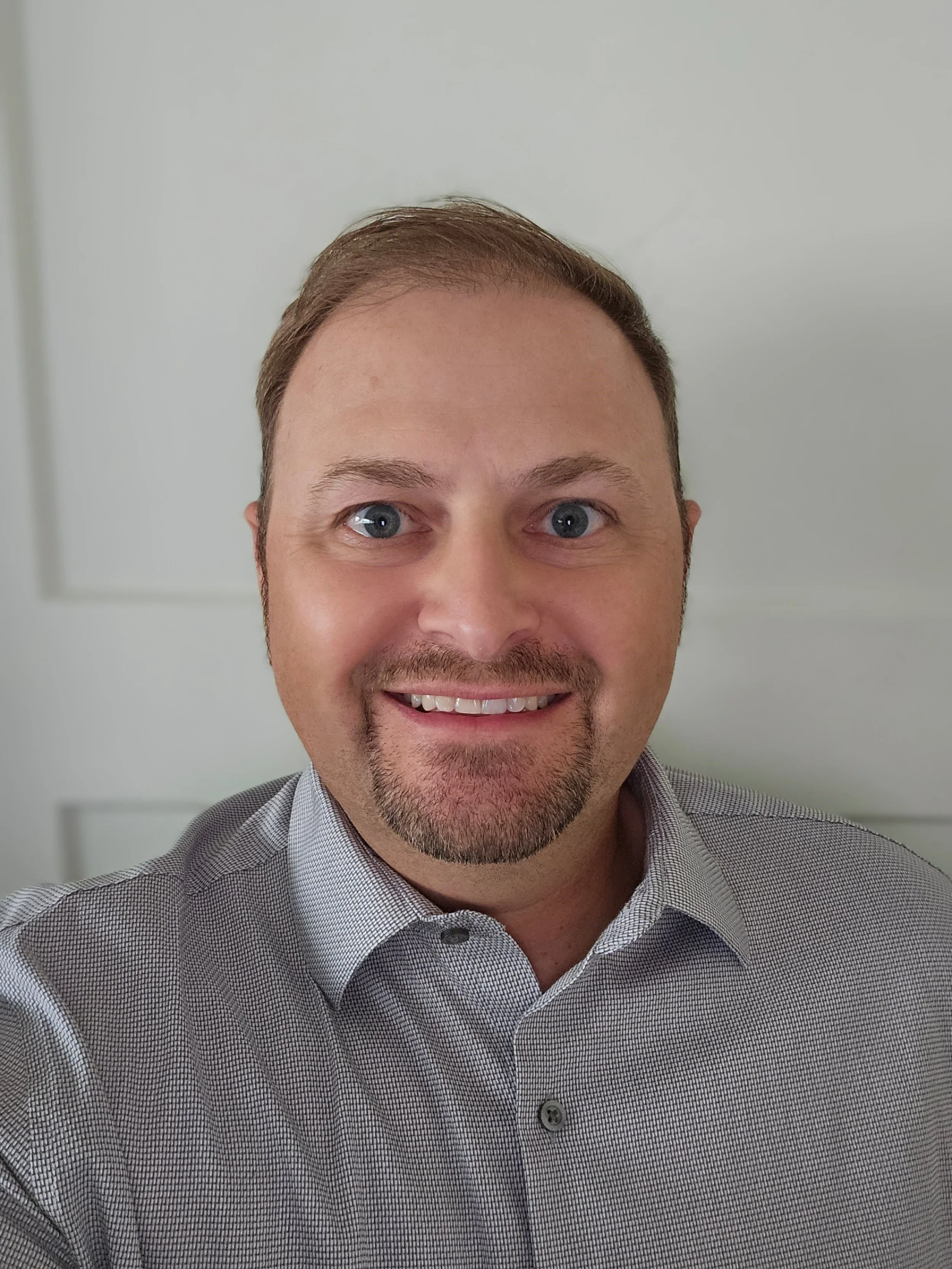
Sean Eley
Hello, my name is Sean Eley, and I am a proud member of the Duwamish Indian Tribe. I am a current West Seattle resident and live only 10 minutes away from the tribal long house. I have been married for 20 years and have a 17-year-old son and 14-year-old daughter. I have set my roots in West Seattle because my connection to the waters of Alki Beach and Elliot Bay. This community with shops, schools, youth sports, professional sports, mountains and waterways, and the city of Seattle so close is the most amazing place to call home. I personally enjoy riding my long board with my daughter, going for a paddle in the bay or watching my son play baseball. Making road trips with my wife out to the ocean is my favorite way to relax and get away.
As a local 66 union sheet metal worker I have spent the last 27 years working on and around the Puget Sound building several different structures with very diverse groups and teams. I currently work at McKinstry in Seattle doing computer design for the architectural metals department in which we work in a fast-paced environment to complete energy efficient buildings and lead to a zero-carbon footprint.
As a member of this newly developing mental health awareness team, I am proud to get to stand with other members of my tribe and community to help correct the path of mental health decline. I drive through Seattle every day and see there is more need than ever to fight back the negative growth of declining mental health of people. Current studies show specifically indigenous people have disproportionately higher rates of mental health problems such as suicide, post-traumatic stress disorder, violence, and substance use disorder. Having two high school students in my house has also given me perspective: the ongoing stresses with social media and how its affects have taken over our younger generation. I am very compassionate towards mental health and have had a dear friend choose death over help because he didn’t feel he had any other option.
“Understanding and supporting Native American mental health is essential for healing historical trauma and fostering cultural resilience.”
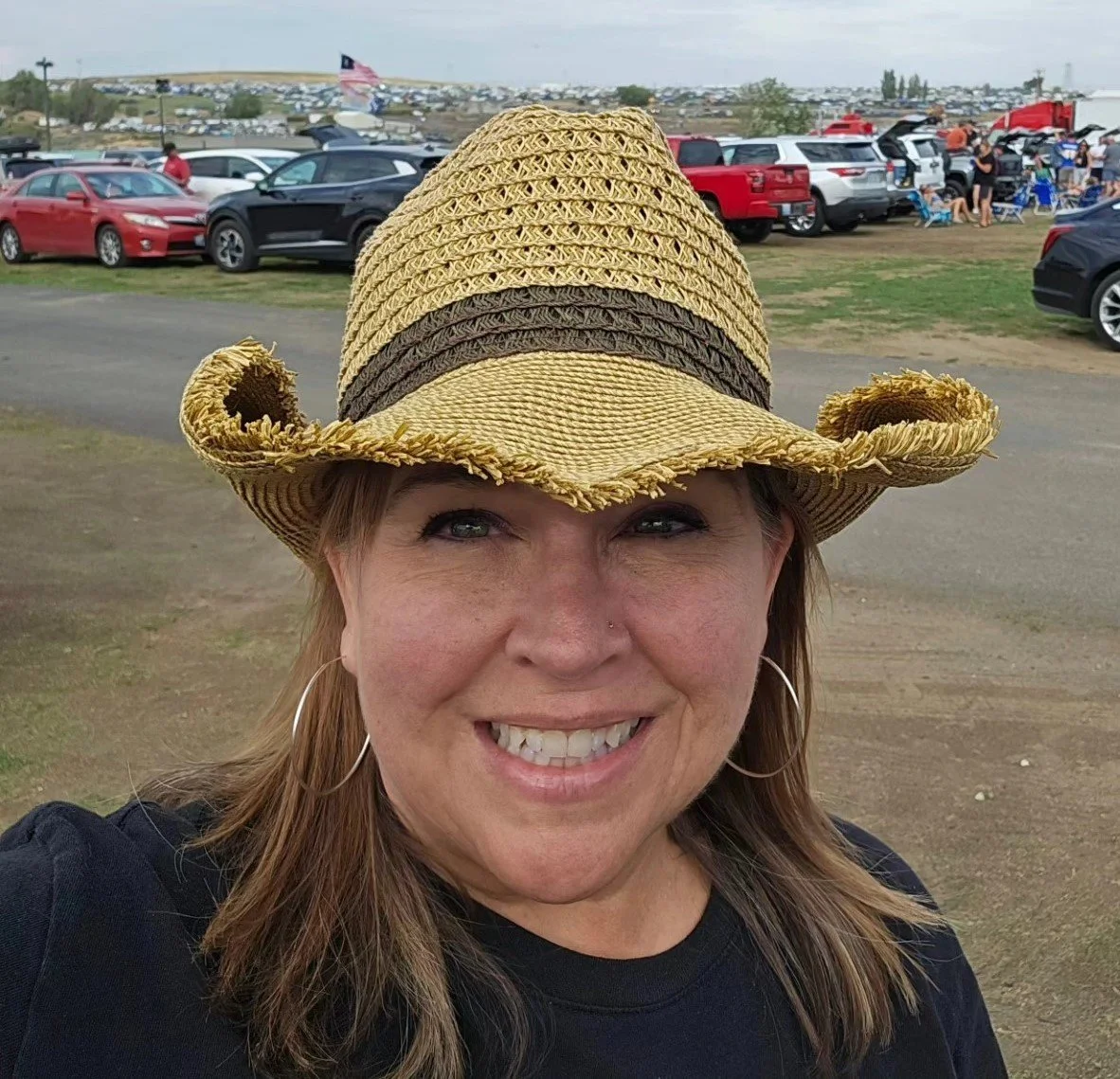
Monica Nelson-Robbins
Monica Nelson-Robbins is a Duwamish tribal member, descendant of the Seymore family line.
A life-long resident of the greater Seattle area, Monica currently lives in Enumclaw, WA with her husband and two kids. She currently works as a substance use counselor, her profession for over 20 years. Monica is currently working toward a graduate degree in Clinical Mental Health Counseling. In her free time, Monica enjoys camping, gardening, cooking, and biking.
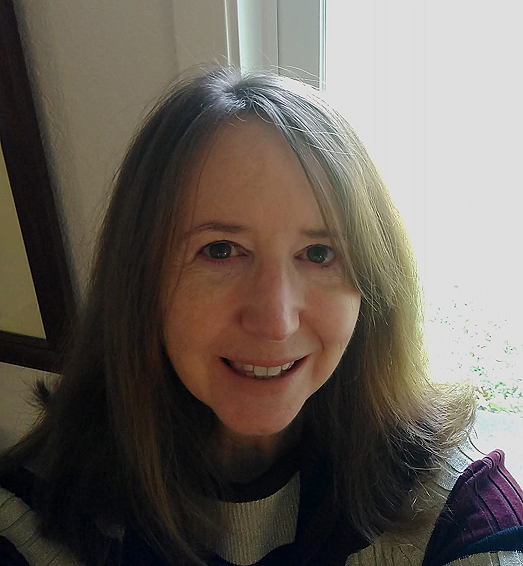
Nancy Sackman
My name is Nancy Sackman. I am a direct descendant of Chief Seattle and a Duwamish Tribal Member.
I have family members who currently have been incapacitated from mental health and addiction. This not only affects the individual but the entire family and our Tribal community at large. I am on this advisory gathering to provide a sympathetic and empathetic voice as well as to listen, understand and act to help our Tribal Members.
Advisory gathering member responsibilities include:
serve as an ambassador for the Duwamish Tribe and engage with DT members to advocate for best-in-class mental and behavioral health care services.
attend schedule advisory gathering meetings (typically once a month) with active participation that contributes skills and knowledge while demonstrating a commitment to the program’s mission and vision.
prepare for meetings by reading agendas, minutes, reports and other documentation required to actively participate.
evaluate and provide feedback on general metrics collected as part of clinical and psychological assessments conducted by Antioch researchers and clinical professionals.
make inquiries when clarification or more information is needed.
understand and maintain confidentiality about mental health services, with the exception of the DT Council and program stakeholders [note: advisory gathering members will NOT be exposed to any personal details of clients that would violate HIPPA regulations].
understand and assist DTS staff with monitoring the grant’s financial affairs on behalf of the Tribe, ensure the advisory gathering is complying with all ethical and regulatory requirements, and avoid any potential conflicts of interest.
Schedule an appointment today by contacting the
Tribal Member Needs Assessment 2025 Survey - Click Here
Reminder that this survey is anonymous and optional. If you have any questions reach out to wellness@duwamishtribe.org.